Find Your Cultural Travel Style
Answer these three questions to discover which type of traveler you are based on the article's framework.
Most travelers think cultural tourism means standing in line for two hours at the Louvre or snapping a selfie with the Eiffel Tower. While those are part of it, they scratch only the surface. Real cultural tourism is about connection. It’s about understanding how people live, what they value, and why their traditions matter. When you shift your focus from sightseeing to experiencing, your trip transforms from a checklist into a memory that sticks.
The global tourism industry has evolved significantly over the last decade. We moved away from mass tourism-where millions visit the same spots-to more niche, meaningful experiences. According to recent data from the World Tourism Organization (UNWTO), cultural motivations drive nearly 40% of international trips. But "culture" isn't just museums. It’s a spectrum. To help you plan a trip that actually resonates, we need to break down the five distinct types of cultural tourism. Each offers a different way to engage with a destination, and each requires a slightly different mindset.
1. Heritage Tourism: Walking Through History
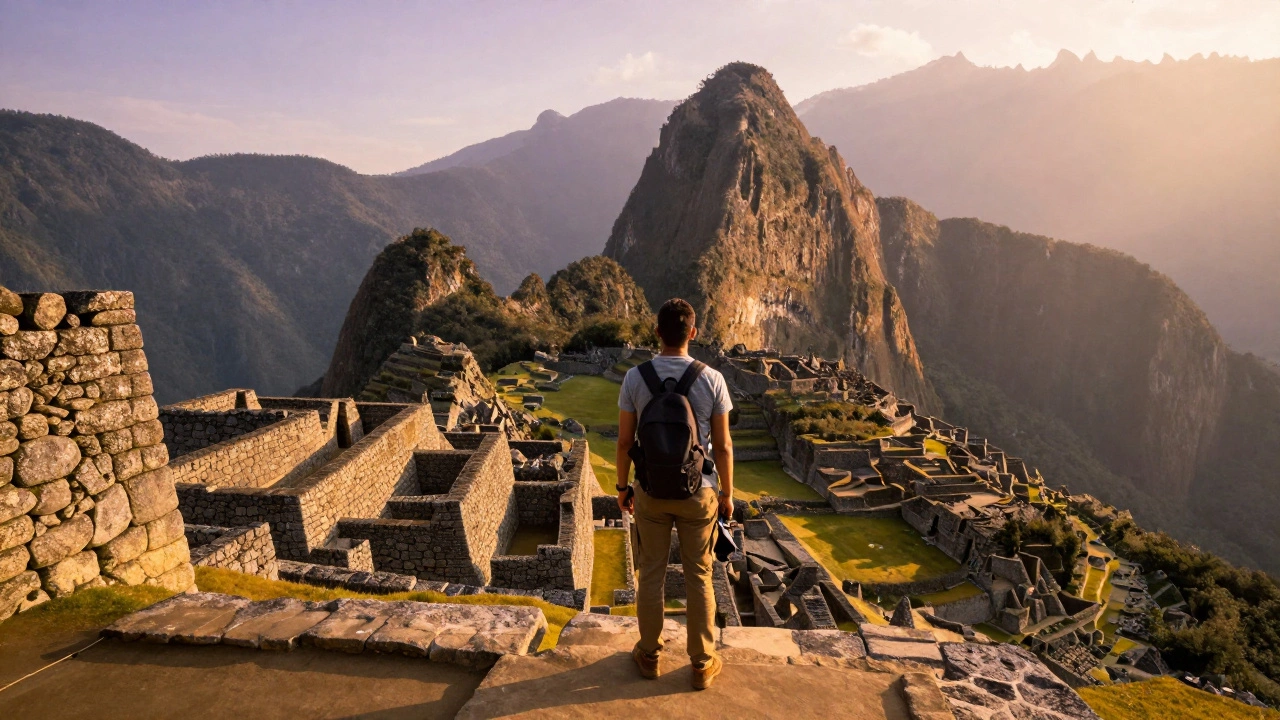
This is the most recognizable form of cultural travel. Heritage tourism is travel focused on historical sites, monuments, and artifacts that tell the story of a place's past. Think ancient ruins, colonial architecture, battlefields, and historic neighborhoods. The goal here is education and appreciation of tangible history.
When you do heritage tourism, you’re engaging with the physical remnants of time. Visiting Machu Picchu in Peru or the Colosseum in Rome fits this category perfectly. You aren’t just looking at stones; you’re trying to understand the engineering, the politics, and the daily life of the civilizations that built them. The key to making this type of travel rewarding is preparation. If you don’t know who Marcus Aurelius was before visiting his statue in Vienna, you’ll see a rock. If you read about him beforehand, you’ll see a philosopher-emperor grappling with duty and mortality.
Heritage tourism often overlaps with academic interests. Many travelers hire local historians as guides rather than using generic audio tours. This adds depth. For example, walking through the Old City of Jerusalem with a guide who explains the layered religious significance of each street turns a walk into a masterclass in theology and conflict. It’s static, yes, but it’s foundational. You can’t understand the present without knowing where the walls came from.
- Best for: History buffs, architecture lovers, students.
- Key locations: Kyoto (Japan), Rome (Italy), Cairo (Egypt).
- Pro tip: Book guided tours led by certified historians, not just licensed tour guides.
2. Arts and Entertainment Tourism: Consuming Creativity
If heritage tourism looks backward, arts and entertainment tourism looks at the present expression of culture. Arts tourism is travel motivated by the desire to experience visual arts, performing arts, festivals, and creative industries. This includes everything from attending the Venice Biennale to watching a flamenco show in Seville or catching Broadway in New York.
This type of tourism is dynamic. It’s alive. You’re not observing a relic; you’re witnessing creation. Festivals are a huge part of this. Consider Rio de Janeiro’s Carnival or Holi in India. These aren’t just parties; they are massive cultural expressions involving music, dance, color, and community participation. Travelers who choose this path often plan their itineraries around specific events. They might fly to Salzburg specifically for the Mozart Week or to Edinburgh for the Fringe Festival.
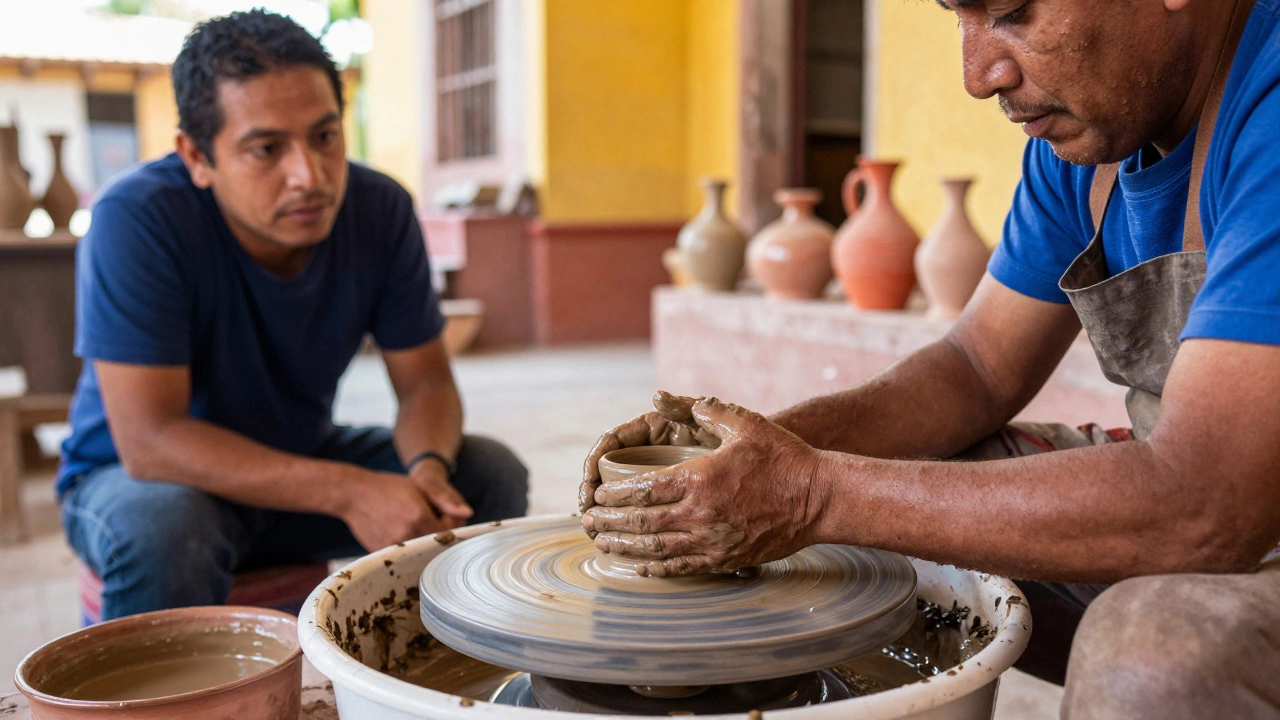
The risk with arts tourism is staying in the tourist bubble. If you sit in the back of a theater and clap politely, you’ve consumed art, but you haven’t engaged with culture. The deeper experience comes when you visit local galleries outside the main districts, talk to street performers, or take a workshop. Imagine taking a pottery class in Oaxaca, Mexico, instead of just buying a souvenir. You learn the technique, the clay source, and the family tradition behind the craft. That’s the difference between consumption and connection.
| Feature | Heritage Tourism | Arts & Entertainment Tourism |
|---|---|---|
| Focus | Past / Historical | Present / Contemporary |
| Primary Activity | Observation / Learning | Participation / Appreciation |
| Typical Venues | Museums, Ruins, Monuments | Theaters, Galleries, Festivals |
| Interaction Level | Low (Passive) | Medium to High (Active) |
3. Community-Based Tourism: Living With Locals
This is where things get real. Community-based tourism (CBT) is a model where local communities own, manage, and benefit directly from tourism activities. Instead of staying in an international hotel chain, you stay in a homestay, eat home-cooked meals, and participate in daily routines. The power dynamic shifts. You are a guest, not a consumer.
CBT is growing rapidly because travelers are tired of superficial interactions. In places like rural Vietnam or the Andes in Peru, CBT allows visitors to see agriculture, weaving, or fishing practices up close. The money you spend goes directly to the host family or a community fund, not to a corporation overseas. This ethical angle is crucial. It ensures that tourism supports local development rather than exploiting it.
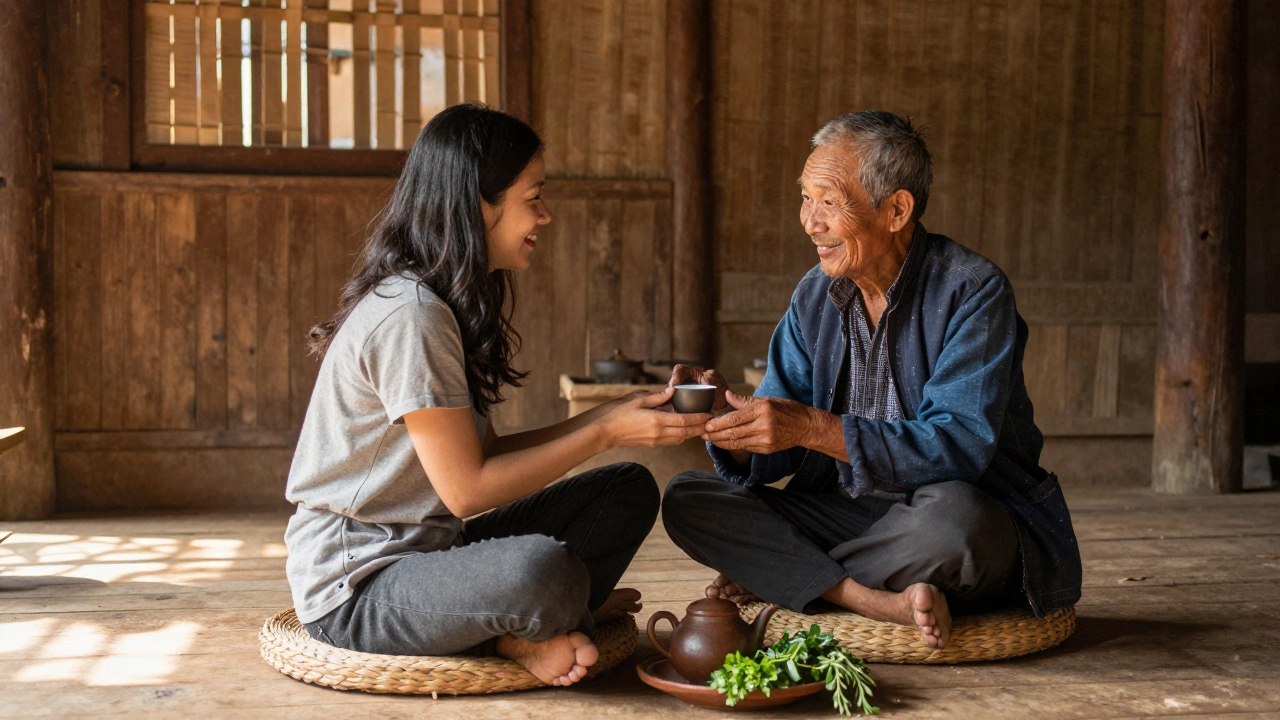
To succeed in CBT, you need humility and flexibility. Your schedule will be dictated by the rhythm of the village, not your watch. You might wake up early to help harvest rice or join a evening storytelling session. Language barriers are common, so non-verbal communication becomes vital. Smiles, gestures, and shared tasks bridge the gap. The best moments in CBT are unplanned: sharing tea with an elder, helping fix a fence, or learning a folk song from children. These experiences build empathy in a way no museum plaque ever could.
4. Intangible Cultural Heritage: Experiencing the Invisible
You can’t touch a tradition, but you can feel it. Intangible cultural heritage refers to practices, representations, expressions, knowledge, and skills that communities recognize as part of their cultural heritage. UNESCO defines this broadly, including oral traditions, performing arts, social practices, rituals, and festive events. It also covers traditional craftsmanship and knowledge of nature.
This type of tourism is subtle. It’s not about seeing a building; it’s about understanding a mindset. For instance, traveling to Japan to experience *omotenashi* (hospitality) or visiting Morocco to learn the etiquette of mint tea ceremonies. It’s about absorbing the values and behaviors that define a society. Culinary tourism often falls under this umbrella when it focuses on the philosophy behind the food, not just the taste. Understanding why Italians insist on fresh pasta made daily or why Japanese chefs train for decades to perfect sushi reveals a deep respect for ingredient integrity and discipline.
Engaging with intangible heritage requires active listening and observation. You have to ask questions. Why do they bow? Why is silence valued? What does this ritual signify? It’s easy to dismiss these customs as quaint or strange if you don’t dig deeper. But when you understand the 'why,' you gain respect. This type of travel changes how you view your own culture by contrast. It highlights the diversity of human expression and challenges ethnocentric views.
5. Religious and Spiritual Tourism: Seeking Meaning
For billions of people, faith is central to identity. Religious tourism involves travel to sacred sites, pilgrimages, or spiritual retreats for worship, reflection, or personal growth. This ranges from devout pilgrimages, like Hajj to Mecca or the Camino de Santiago, to secular seekers visiting Buddhist temples in Thailand for meditation workshops.
The motivation here is internal transformation. Travelers seek peace, clarity, or a connection to the divine. Even if you aren’t religious, you can appreciate the architectural grandeur and communal atmosphere of places like the Vatican, Varanasi, or Bodh Gaya. The energy in these spaces is palpable. Watching thousands of people pray together creates a sense of unity that transcends language and nationality.
Spiritual tourism also includes wellness retreats rooted in traditional practices, such as Ayurveda in India or yoga in Kerala. These trips combine physical health with mental and spiritual well-being. The key is authenticity. Avoid resorts that package spirituality as a luxury product. Look for centers run by practitioners who prioritize teaching and practice over comfort. Respect is paramount. Dress codes, silence rules, and behavioral expectations must be followed strictly. Violating these norms isn’t just rude; it disrupts the sacred space for everyone else.
How to Choose the Right Type for You
Not every traveler wants the same thing. Some prefer the structure of heritage tours; others crave the spontaneity of community immersion. Here’s a quick heuristic to help you decide:
- Do you love facts and dates? Go for Heritage Tourism.
- Are you creative or artistic? Choose Arts and Entertainment.
- Do you want to support local economies? Pick Community-Based Tourism.
- Are you curious about mindsets and values? Explore Intangible Heritage.
- Are you seeking inner peace or faith? Consider Religious/Spiritual Tourism.
Many trips blend these types. A week in Kyoto might involve visiting shrines (heritage), watching a tea ceremony (intangible), and staying in a ryokan (community). The best cultural travelers remain open-minded. They let the destination lead them. They don’t force a narrative; they listen to the story being told.
Troubleshooting Common Pitfalls
Cultural tourism can go wrong if you approach it with entitlement. Here are three common mistakes and how to avoid them:
- The "Zoo" Mentality: Treating locals like exhibits. Always ask permission before taking photos of people. Engage in conversation, not just observation.
- Cultural Appropriation: Wearing sacred garments or participating in rituals without invitation or understanding. Research protocols beforehand. When in doubt, observe respectfully.
- Lack of Preparation: Arriving blank-slate leads to shallow experiences. Read books, watch documentaries, and learn basic phrases. Knowledge enhances appreciation.
Cultural tourism is a privilege. It grants you access to worlds different from your own. Use that access wisely. Be curious, be respectful, and leave a positive impact. The world is richer when we understand each other.
What is the difference between cultural tourism and heritage tourism?
Heritage tourism is a subset of cultural tourism. It specifically focuses on historical sites, monuments, and artifacts from the past. Cultural tourism is broader, encompassing all aspects of a destination's culture, including living traditions, arts, food, and community interactions, both past and present.
Is community-based tourism expensive?
Not necessarily. While some high-end eco-lodges charge premium prices, many community-based options are affordable because they cut out middlemen. Homestays and local-guided tours often cost less than international hotel chains and agency-led tours, while providing more authentic experiences and direct economic benefits to locals.
Can I combine multiple types of cultural tourism in one trip?
Absolutely. Most rich cultural destinations offer a mix. For example, a trip to Mexico City could include visiting Aztec ruins (heritage), attending a Mariachi performance (arts), eating at a local mercado (intangible/community), and visiting a monastery (religious/spiritual). Blending types creates a more rounded and satisfying travel experience.
How do I find authentic community-based tourism experiences?
Look for certifications from organizations like Global Sustainable Tourism Council (GSTC) or Fair Trade Tourism. Research blogs and forums written by travelers who specialize in ethical travel. Directly contact local tourism boards or NGOs working in the region. Avoid large commercial operators that claim to be "community-based" but are owned by external corporations.
What should I wear when visiting religious sites?
Dress modestly as a general rule. Cover shoulders, chest, and knees. Carry a scarf or shawl to cover your head if required. Remove shoes before entering sacred spaces. Always check specific guidelines for the site you are visiting, as requirements vary significantly between religions and regions. When in doubt, overdressing is safer than underdressing.
Menu