Adventure Destination Finder
Answer these questions to find out which country matches your ideal adventure style.
What kind of thrill are you looking for?
Your Match:
Why this fits you
Key Activities:
Quick Facts
| Difficulty: | |
| Best Time: | |
| Ideal For: |
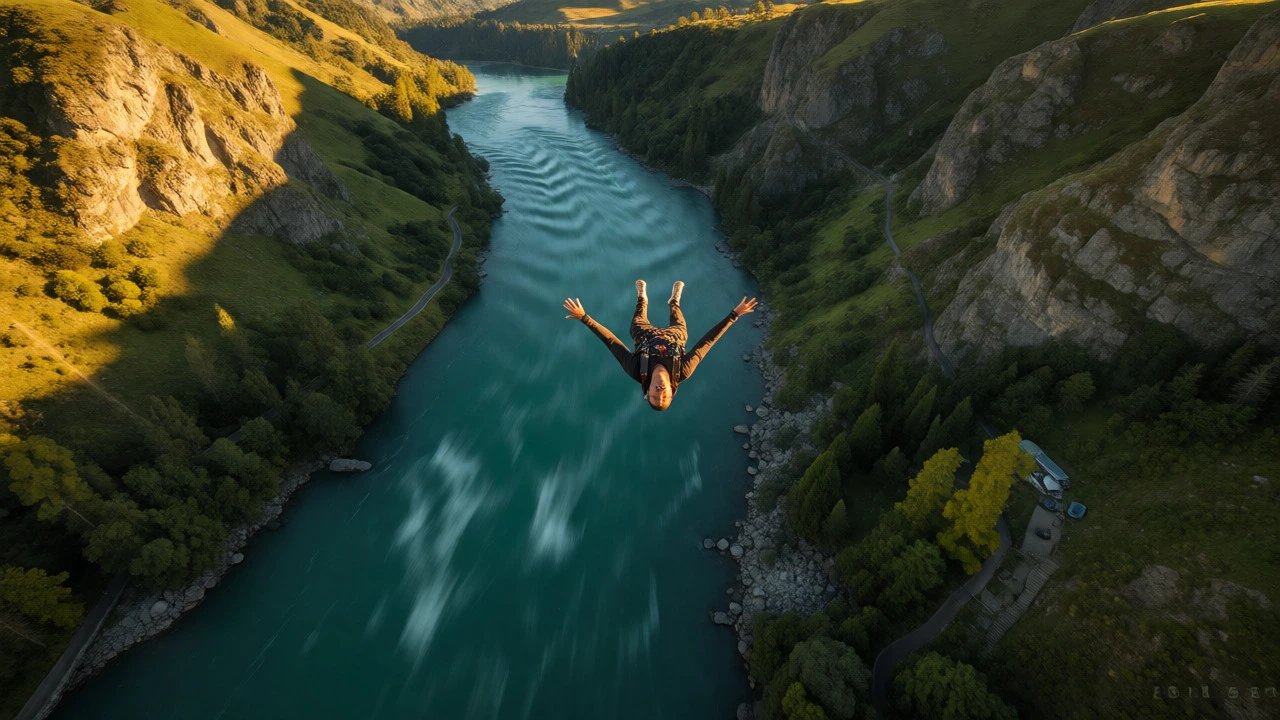
You are standing on the edge of a cliff in Queenstown, wind whipping your jacket, heart hammering against your ribs. You have exactly three seconds to decide whether to jump into the Kawarau River or step back and watch someone else do it. This is the kind of moment that defines an adventure holiday. It isn't just about ticking boxes; it's about feeling alive in a way that office chairs and sofa cushions simply can't replicate.
So, what country is known for adventure? If you ask ten different people, you might get ten different answers. Some will shout "New Zealand," others will whisper "Nepal," and a few might argue for "Costa Rica." The truth is, there is no single winner. Different nations offer different flavors of adrenaline. Your choice depends entirely on what kind of thrill you’re chasing: high-altitude endurance, jungle immersion, or icy wilderness survival.
New Zealand: The Birthplace of Modern Adrenaline
If there is one place that arguably invented the modern concept of commercial adventure tourism, it is New Zealand, an island nation in the southwestern Pacific Ocean renowned for its extreme sports infrastructure and dramatic landscapes. Why does it hold this crown? Because it took natural beauty and added engineering. The bungy jump wasn’t always a tourist attraction; it was a tribal ritual from Vanuatu. But in 1988, AJ Hackett launched the first commercial bungy site at the Kawarau Bridge in Queenstown, turning a leap of faith into a global industry.
The South Island, in particular, serves as a playground for those who want to test their limits. You can jet boat through narrow canyon walls in Shotover Canyon, where the water moves fast enough to peel paint off cars. Or you can hike the Milford Track, often called the "finest walk in the world," which takes four days to complete across rainforests, alpine passes, and glacial valleys. The accessibility here is unmatched. You don’t need to be an expert mountaineer to feel like one. The infrastructure supports everything from beginner zip-lining to advanced heli-skiing in Wanaka.
However, New Zealand isn’t just about physical exertion. It’s also about cultural depth. The Māori culture adds a layer of spiritual connection to the land, reminding visitors that these mountains and rivers are ancestors, not just scenery. This combination of raw nature and structured thrills makes it the default answer for many Western travelers seeking their first big adventure.
Nepal: High Altitude and Spiritual Endurance
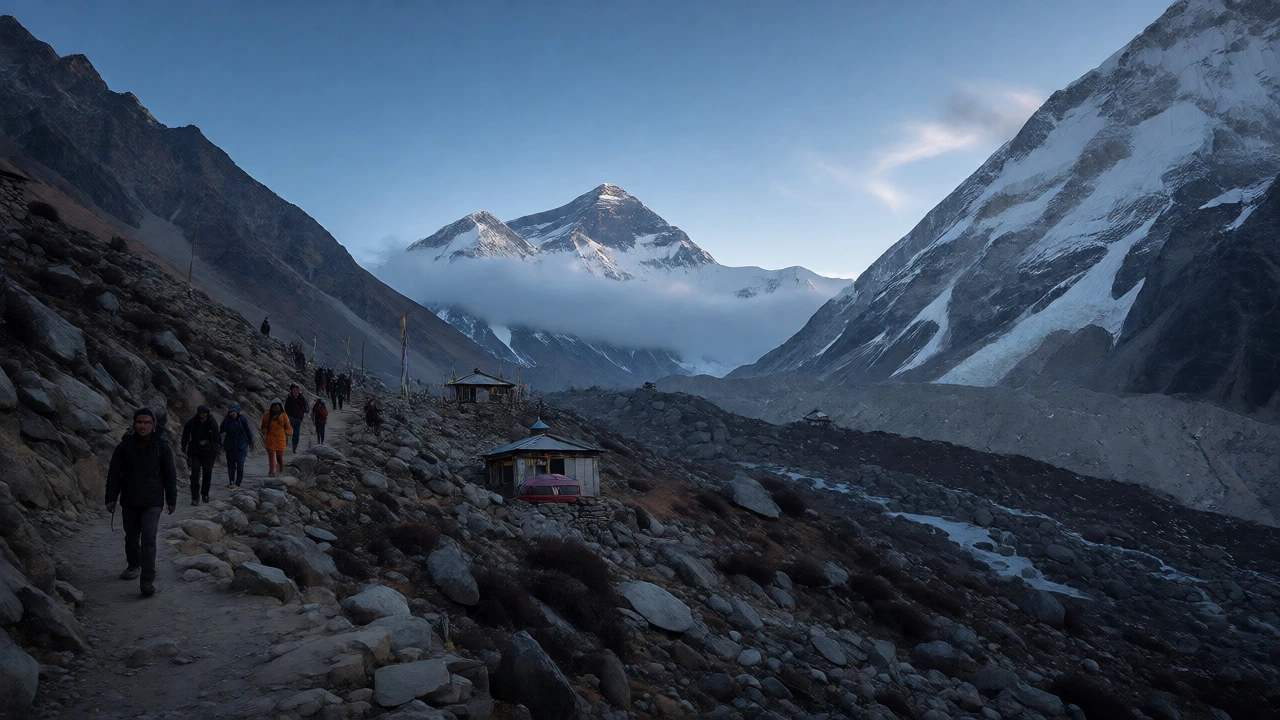
While New Zealand offers accessible thrills, Nepal, a landlocked Himalayan country famous for hosting eight of the fourteen highest peaks on Earth, including Mount Everest, demands something more from its visitors: patience and resilience. Adventure here isn’t a weekend activity; it’s a lifestyle commitment. Trekking in Nepal is not merely walking; it is a negotiation with gravity and altitude.
The Annapurna Circuit and the Everest Base Camp trek are the heavy hitters here. These aren’t hikes you can finish before lunch. They require acclimatization days, proper gear, and mental fortitude. At 5,364 meters (17,598 feet), Kala Patthar offers views of Everest that will make you forget how cold your toes are. The air is thin, the paths are steep, and the tea houses-small lodges along the route-serve as your lifeline for warm dal bhat and hot chai.
But Nepal’s appeal goes beyond just climbing. It’s also a hub for white-water rafting in the Himalayas, paragliding over Pokhara, and jungle safaris in Chitwan National Park, where you can track rhinos and tigers. The contrast between the frozen peaks and the subtropical Terai region creates a diverse adventure portfolio within a single country border. For those who find comfort in discomfort, Nepal is the ultimate destination.
Costa Rica: Eco-Adventure and Biodiversity
If your idea of adventure involves getting muddy rather than breathless, look toward Central America. Costa Rica, a tropical paradise known for its biodiversity, sustainable tourism practices, and volcanic landscapes, has positioned itself as the leader in eco-adventure. The slogan "Pura Vida" (pure life) isn’t just marketing fluff; it reflects a national ethos that prioritizes conservation alongside excitement.
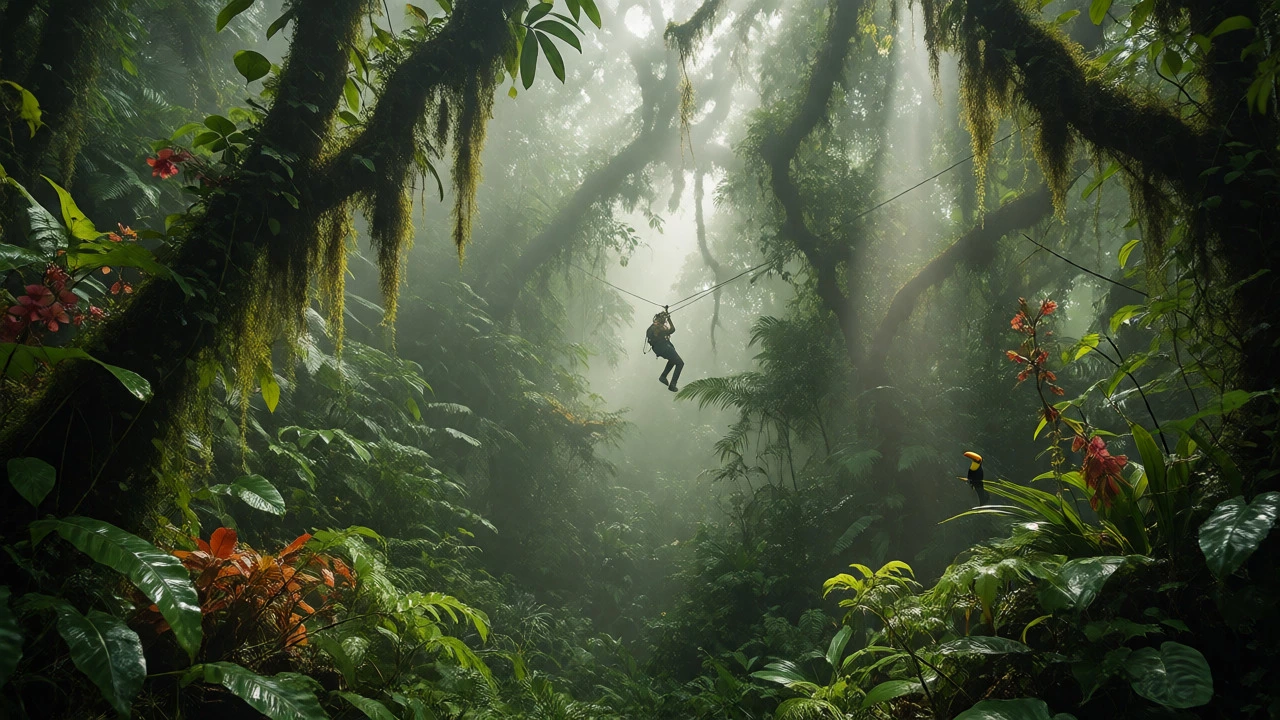
Here, adventure is intertwined with education. Zip-lining through the cloud forests of Monteverde doesn’t just give you a rush; it places you in the canopy where toucans and sloths live. Rafting down the Pacuare River takes you through deep gorges carved by ancient lava flows, surrounded by howler monkeys screaming in the distance. Volcano Arenal offers hot springs heated by geothermal activity, allowing you to soak in mineral-rich waters after a day of hiking on black sand beaches.
Costa Rica is ideal for families or groups with mixed fitness levels because the intensity is adjustable. You can choose a gentle river float or a Class IV rapid run. The country’s stability, safety, and English-friendly tourism sector reduce the friction often associated with adventurous travel. You spend less time worrying about logistics and more time interacting with wildlife.
Chile: The Wild Frontier of Patagonia
For those who prefer isolation over infrastructure, Chile offers the rugged edge of the world. Patagonia, the vast, sparsely populated region spanning southern Chile and Argentina, characterized by glaciers, fjords, and windswept steppes is a landscape that feels prehistoric. Torres del Paine National Park is the centerpiece, offering the famous "W Trek," a multi-day hike that circles granite towers rising abruptly from the plains.
The weather here is unpredictable, which is part of the charm. You might experience four seasons in one afternoon. Winds can reach speeds of 100 km/h, testing both your tent stakes and your sanity. Kayaking among icebergs in Grey Glacier or horseback riding across the pampas provides a sense of scale that urban environments erase. Unlike New Zealand, facilities are sparse. You camp under stars, cook on portable stoves, and rely on your own resources. This self-reliance appeals to seasoned adventurers who feel spoiled by too much convenience.
Choosing Your Next Destination
Deciding which country fits your needs requires honest self-assessment. Are you looking for quick hits of adrenaline or long-term immersion? Do you prefer tropical warmth or crisp mountain air? The table below breaks down key factors to help you decide.
| Destination | Primary Activity Type | Difficulty Level | Best Time to Visit | Ideal For |
|---|---|---|---|---|
| New Zealand | Extreme Sports (Bungy, Jet Boat) | Low to Medium (Accessible) | December - February (Summer) | First-time adventurers, solo travelers |
| Nepal | Trekking & High Altitude | High (Endurance required) | March - May, Sept - Nov | Hikers, spiritual seekers, photographers |
| Costa Rica | Eco-Tourism & Water Sports | Low to Medium (Varied) | December - April (Dry Season) | Families, nature lovers, casual explorers |
| Chile (Patagonia) | Expedition Trekking & Glaciers | Medium to High (Weather dependent) | November - March (Southern Summer) | Backpackers, isolation seekers, hikers |
Pitfalls to Avoid When Booking Adventure Travel
Booking an adventure trip is different from booking a beach resort. Mistakes here can ruin the experience or even pose safety risks. First, underestimate physical preparation. Going to Nepal without doing cardio training beforehand is a recipe for misery. Start training three months out. Second, ignore insurance details. Standard travel policies often exclude activities like bungy jumping, scuba diving, or high-altitude trekking above 3,000 meters. Read the fine print specifically for "adventure activities."
Third, pack light but smart. In Patagonia or Nepal, you carry your own gear. Every extra pound matters. Use compression sacks and invest in quality footwear broken in before you arrive. Blisters can end a trek faster than bad weather. Finally, respect local guides. In countries like Costa Rica or New Zealand, guides know the micro-climates and animal behaviors better than any app. Trust their judgment when they say the weather is turning or a trail is closed.
Beyond the Big Names: Emerging Hotspots
While the countries above dominate the conversation, other regions are gaining traction. Vietnam offers stunning cave exploration in Phong Nha-Kẻ Bàng National Park, home to Son Doong, the largest cave passage in the world. Iceland has become a hub for glacier hiking and volcano boarding, combining fire and ice in ways few other places can match. Morocco attracts desert trekkers who want to sleep under Saharan stars and ride camels through Erg Chebbi dunes.
These destinations offer similar thrills but often at lower costs and with fewer crowds. If you’ve already done Queenstown or Everest Base Camp, consider branching out. The core appeal remains the same: connecting with nature in a raw, unfiltered state. Whether you’re sliding down a glacier in Iceland or navigating underground rivers in Vietnam, the goal is to disconnect from the digital world and reconnect with your physical capabilities.
Which country is safest for solo adventure travelers?
New Zealand consistently ranks as one of the safest countries for solo travelers due to low crime rates, friendly locals, and well-marked trails. Costa Rica is also very safe, particularly in tourist areas, though petty theft can occur if you leave valuables visible in rental cars. Both countries have robust emergency services and English-speaking support networks.
Do I need special equipment for trekking in Nepal?
You don't need to bring everything from home. Most essential gear, such as sleeping bags, down jackets, and trekking poles, can be rented cheaply in Kathmandu or Pokhara. However, you should bring your own broken-in hiking boots, moisture-wicking base layers, and a reliable backpack. Buying or renting locally saves luggage weight and ensures you have gear suited to current conditions.
Is Costa Rica expensive for adventure activities?
Costa Rica is mid-range compared to Europe or North America but pricier than neighboring Central American countries. Guided tours add cost, but they provide safety and educational value. Budget travelers can save by using public buses instead of shuttles and eating at local sodas (small restaurants). Splurging on one major activity, like a white-water rafting trip, while keeping other days free for self-guided hikes balances cost and experience.
What is the best time to visit Patagonia for hiking?
The best window is November to March, during the Southern Hemisphere summer. December and January offer the longest daylight hours, sometimes up to 17 hours, which is crucial for covering long distances. However, this is also peak season, so book campsites and refugios months in advance. Shoulder seasons (November and March) offer slightly cooler temperatures and fewer crowds but higher chances of wind and snow.
Can beginners do bungy jumping in New Zealand?
Absolutely. New Zealand pioneered commercial bungy jumping, so operators are highly experienced in managing nervous first-timers. Sites like the Kawarau Bridge offer tandem jumps if you want moral support. There are also various heights available, starting from lower platforms suitable for those easing into the sport. Staff are trained to keep things lighthearted, helping you manage anxiety until the moment you leap.
Menu