UK Mystery Matchmaker
Not sure which mysterious destination suits you? Answer three quick questions to get a personalized recommendation from our top picks.
Your Recommended Destination
Accessibility:
Best Time to Visit:
You’ve probably heard of Stonehenge. You know it’s old, you know it’s round, and you know people stand there taking selfies while pretending to understand how those massive rocks got stacked without cranes. But ask a local in Wiltshire what the most mysterious place in the UK is, and they might roll their eyes at Stonehenge. Why? Because for every tourist who visits, there’s a dozen other spots where the fog hangs lower, the legends bite harder, and the history feels less like a museum exhibit and more like an open wound.
We aren’t just talking about ghosts here, though that’s part of it. Mystery in the British landscape is often about things we can’t explain geologically, archaeologically, or logically. It’s about places that feel wrong, or right in a way that makes your skin prickle. If you’re planning a UK staycation and want something more than a nice pub lunch and a walk on a well-marked trail, you need to look beyond the postcard hits. Here are the places that actually earn the title of "mysterious," ranked by how much they’ll mess with your head.
Bodmin Moor: The Heartbeat of Cornwall’s Legends
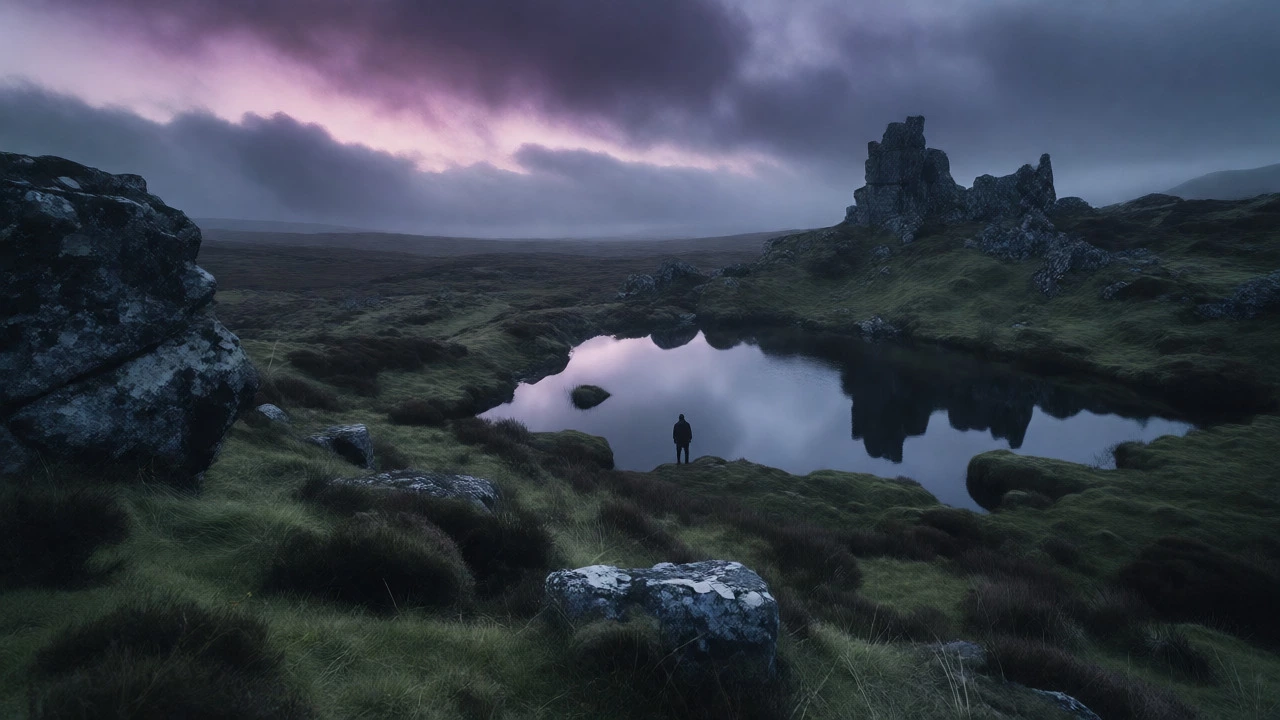
If you want atmosphere, go to Bodmin Moor. This isn’t just a patch of grass; it’s a vast expanse of granite tors and boggy land in Cornwall that has swallowed armies and sanity alike. The main draw here is Dozmary Pool, a small, unassuming lake that locals swear is the resting place of King Arthur’s sword, Excalibur. Yes, the one from the stories. The water is dark, cold, and unnervingly still, even when the wind is whipping the surrounding gorse into a frenzy.
But the real mystery isn’t just the sword legend. It’s the Beast of Bodmin. Since the 1970s, hundreds of sightings have been reported of a large, black cat-like creature roaming the moor. Farmers report livestock attacks that don’t match foxes or dogs. Police searches have found nothing. Scientists argue it’s mass hysteria or escaped exotic pets. Locals just shrug and say, "It’s always been there." Walking across Bodmin Moor at dusk, with the granite tors looking like broken teeth against the sky, you start to believe them. The isolation is total. There are no streetlights, no cell service in many patches, and the silence is heavy enough to press against your eardrums.
| Location | Primary Mystery | Accessibility | Best Time to Visit |
|---|---|---|---|
| Bodmin Moor | The Beast of Bodmin / Excalibur Legend | Moderate (Requires hiking) | Autumn/Winter |
| Dunnottar Castle | Shipwrecks & War History | Easy (Cliffside path) | Late Afternoon |
| Cheddar Gorge | Geological Formation / Cheddar Man | High (Road access) | Year-round |
| Tintern Abbey | Monastic Ruins / Ghostly Monks | High (Visitor center) | Foggy Mornings |
Dunnottar Castle: Where the Sea Steals Ships
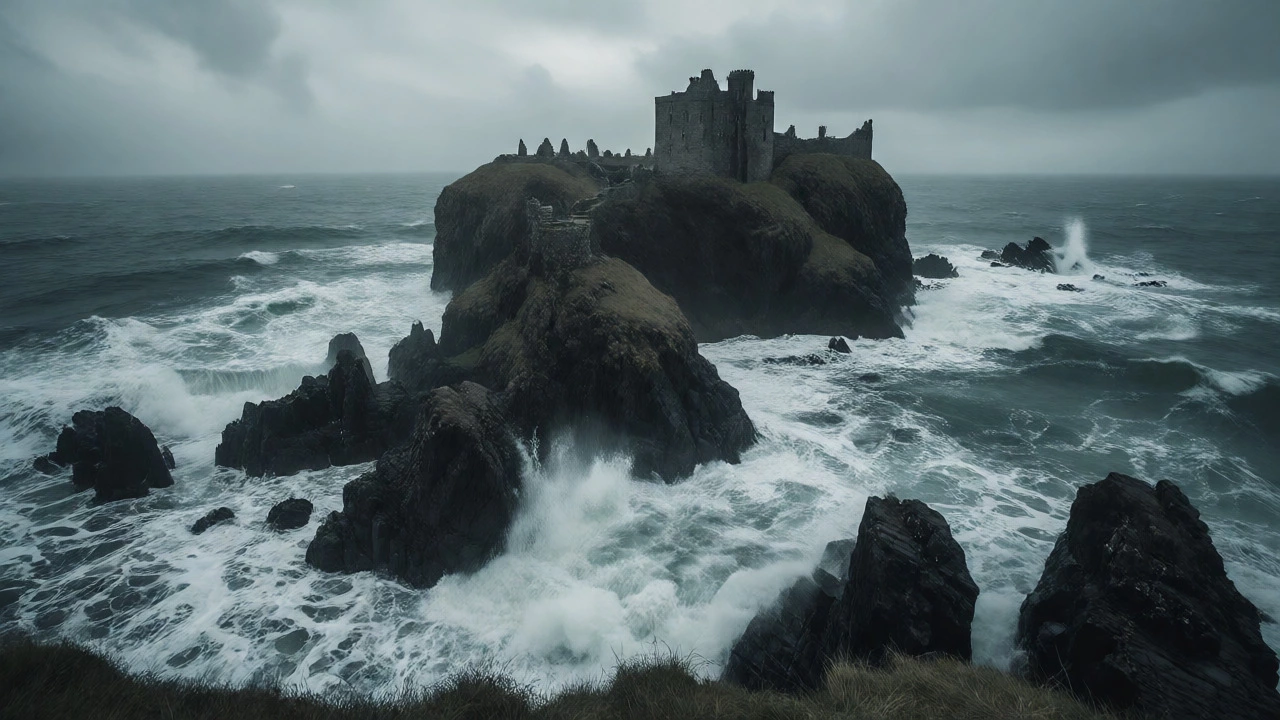
Move north to Aberdeenshire, Scotland, and you’ll find Dunnottar Castle. This ruin sits on a rocky headland, surrounded on three sides by the North Sea. It looks like something out of a fantasy novel because it essentially is-many scenes from Harry Potter were filmed nearby, but the castle’s real story is darker. For centuries, this was a fortress so inaccessible that enemies couldn’t reach it, yet ships constantly wrecked on the rocks below. Why? Some say the currents are deceptive. Others whisper about the "Green Lady" of Dunnottar, said to be the ghost of a noblewoman who jumped to her death rather than be captured.
The architecture itself adds to the unease. The castle was built in stages over centuries, creating a confusing maze of corridors and staircases that seem to lead nowhere. During World War II, the area was heavily fortified, and rumors persist of secret tunnels leading inland, some of which were never fully mapped before being sealed off. When you stand on the edge of the cliff, watching the waves crash against the basalt columns, you get a visceral sense of why sailors feared this coast. It’s not just beautiful; it’s hostile. And that hostility feels intentional.
Cheddar Gorge: The Ancient Bones Beneath Your Feet
Somerset’s Cheddar Gorge is famous for cheese, sure. But its mystery lies deep underground. This limestone gorge is home to Gough’s Cave, where the oldest complete human skeleton found in Britain was discovered in 1903. Known as Cheddar Man, he lived around 10,000 years ago. Recent DNA analysis revealed he had dark skin and blue eyes, shattering assumptions about early Britons. But the cave system itself is the real puzzle. How did ancient humans navigate these pitch-black tunnels? What rituals did they perform in the deepest chambers?
Walking through the gorge, you’re walking through time. The sheer cliffs rise 450 feet above you, blocking out the sun and casting long, eerie shadows. The air inside the caves is damp and smells of wet earth and bat guano. Guides will tell you about the "Red Lady," a skeleton found in another cave, whose origins remain debated. Was she a sacrificial victim? A prisoner? The ambiguity is the point. Unlike a museum where artifacts are behind glass, here you’re standing in the actual space where these lives ended. The geological formation of the gorge, carved by meltwater after the Ice Age, also raises questions about how quickly such massive features can form-a reminder that the ground beneath our feet is far less stable than we think.
Tintern Abbey: Whispers in the Ruins
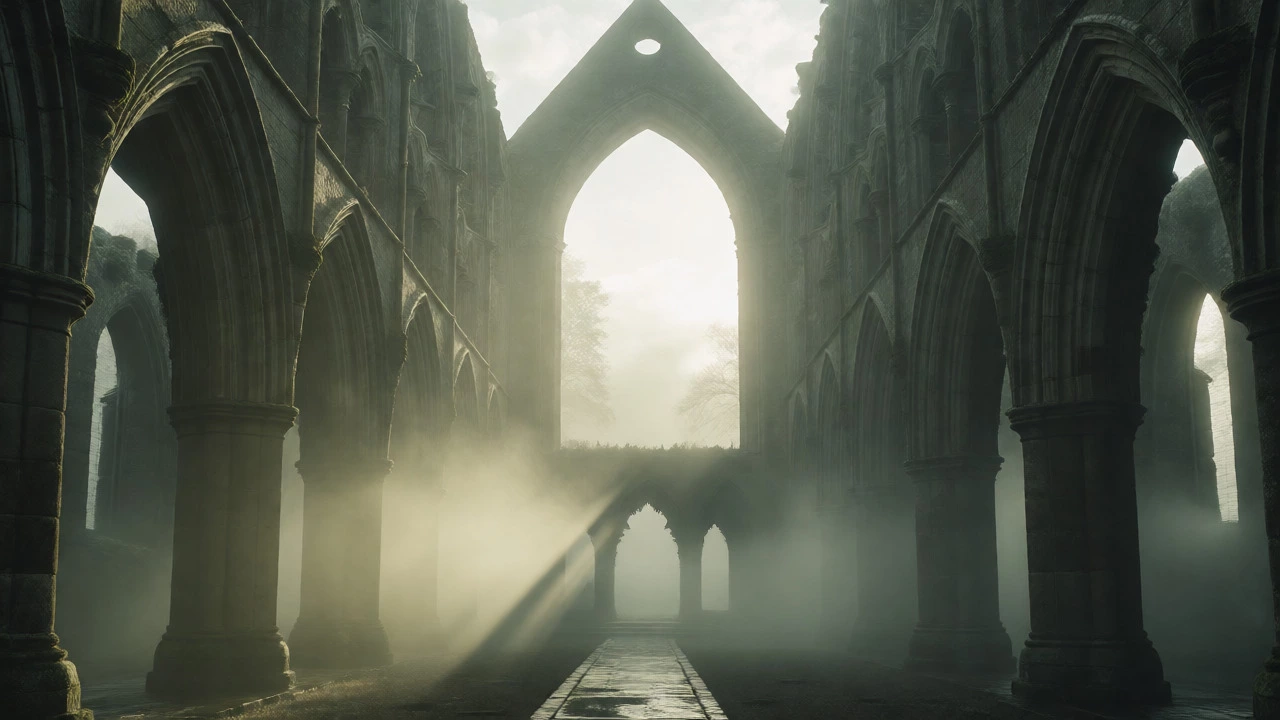
In the Forest of Dean, Gloucestershire, stands Tintern Abbey. It’s a ruined Cistercian monastery, dissolved by Henry VIII in the 1530s. The roof is gone, replaced by open sky, but the walls remain. What makes Tintern mysterious isn’t just its age-it’s the acoustics. Visitors frequently report hearing footsteps where no one is walking, or the faint sound of chanting monks echoing off the stone arches. Is it wind channeling through the gaps? Probably. But try telling that to someone who felt a cold hand on their shoulder near the high altar.
The abbey inspired Wordsworth’s famous poem, "Lines Written a Few Miles above Tintern Abbey," but his romanticized view misses the grittier reality. Before the dissolution, this was a place of strict discipline and hard labor. The contrast between the serene ruins today and the harsh monastic life of the past creates a cognitive dissonance that unsettles many visitors. The surrounding forest is dense and dark, adding to the sense of enclosure. Many photographers visit at dawn to catch the mist rolling through the cloisters, creating images that look less like historical sites and more like portals to another dimension.
Why These Places Feel Different
So, what connects Bodmin Moor, Dunnottar Castle, Cheddar Gorge, and Tintern Abbey? They all share a common trait: ambiguity. Modern tourism loves clear answers. This is the date it was built. This is who lived here. This is the ticket price. But mystery thrives on uncertainty. These places resist easy categorization. They are landscapes that have changed dramatically over millennia, leaving traces of human presence that we can’t fully interpret.
When you visit these sites, you’re not just seeing stones or trees. You’re engaging with layers of history that haven’t been fully unpacked. The "Beast of Bodmin" might be a myth, but the fear it generates is real. The "Green Lady" might be folklore, but the grief she represents is universal. Cheddar Man challenges our understanding of ancestry. Tintern Abbey reminds us of impermanence. That mix of natural beauty and unresolved narrative is what makes them truly mysterious. They invite you to fill in the blanks with your own imagination, and often, your imagination is scarier than any guidebook explanation.
Planning Your Mysterious Staycation
If you’re ready to chase these mysteries, timing matters. Summer brings crowds, which kills the vibe. Aim for late autumn or winter. The days are shorter, meaning more time in twilight-the best lighting for mystery. Book accommodation close to the site. Driving through remote areas in the dark can be tricky, so don’t underestimate the logistics. In Bodmin, consider staying in a cottage in Liskeard or Wadebridge. For Dunnottar, Stonehaven is your base. Cheddar offers B&Bs in the village itself, but book early if you want a room with a view of the gorge.
Pack properly. Waterproof boots are non-negotiable. British weather doesn’t care about your plans. Bring a physical map; GPS signals fail in valleys and under thick canopy. And maybe bring a journal. Writing down what you see-and what you think you hear-helps process the experience. It turns a simple trip into a personal investigation. You might find that the mystery isn’t in the place, but in how you react to it.
Is Stonehenge really the most mysterious place in the UK?
While Stonehenge is iconic, many locals and travelers argue it is too commercialized to feel truly mysterious. Its purpose is widely debated, but the site is heavily managed and crowded. Places like Bodmin Moor or Dunnottar Castle offer a more raw, isolated experience that many find more genuinely enigmatic.
Can I visit Bodmin Moor safely alone?
Yes, but preparation is key. The moor is vast and weather changes rapidly. Stick to marked paths if possible, carry a compass and map, and let someone know your route. Cell service is spotty, so don't rely solely on your phone for navigation or emergency calls.
What is the best time of year to visit haunted UK locations?
Late October to February is ideal. The shorter days mean more time spent in low light or darkness, enhancing the atmospheric effect. Autumn foliage and winter mists add visual drama. However, check opening hours, as some sites reduce access during winter months.
Are tours available for Cheddar Gorge caves?
Yes, guided tours are available for Gough's Cave and Cox's Cave. Booking in advance is recommended, especially during peak seasons. The guides provide historical context and scientific explanations for the geological formations, which helps separate fact from fiction regarding the 'Cheddar Man' discovery.
Is Dunnottar Castle accessible for people with mobility issues?
Access is challenging. The path involves steep inclines and uneven terrain. While the viewpoint from the top is reachable via a road, exploring the castle ruins themselves requires significant walking and climbing stairs. Check current accessibility status before visiting, as conditions can change due to weather and maintenance.
Menu