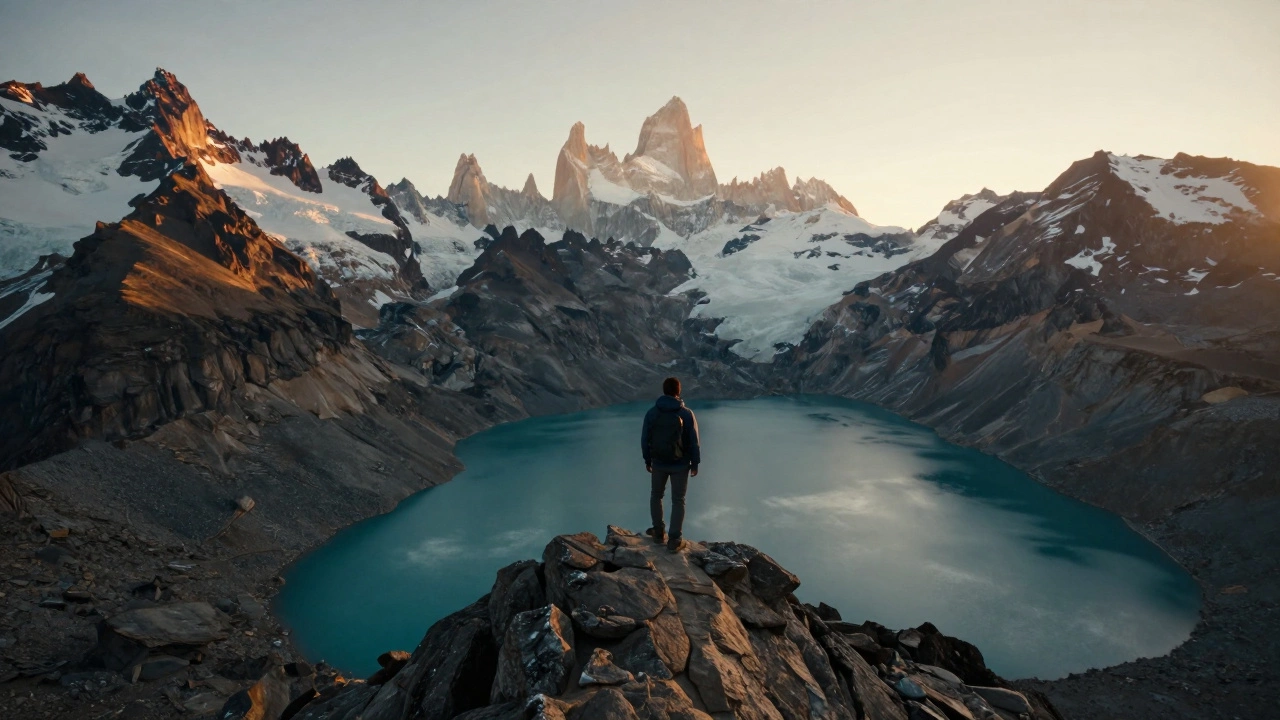
Adventure Type Finder
Not sure where to start on the "Adventure Ladder"? Answer a few questions to find your ideal exploration style.
Your Match: Soft Adventure
AccessibleYou're looking for a blend of comfort and excitement. This is the perfect entry point to the adventure ladder.
Recommended Activities:
- ✓ Kayaking in calm waters
- ✓ Guided wildlife safaris
- ✓ Moderate hiking trails
Adventure Travel is a type of tourism involving exploration, physical exertion, and a connection with nature, often in remote or challenging environments. It's not just about jumping out of planes; it's about stepping outside your comfort zone to find a version of yourself that doesn't live behind a screen.
The Core Drive: Why We Crave the Unknown
Most of us spend our days in a controlled environment. We have climate-controlled offices, GPS that tells us exactly where to turn, and apps that deliver food to our door. This predictability is comfortable, but it's also boring. Psychology tells us that humans have an innate need for 'optimal arousal'-the sweet spot between boredom and anxiety. When you're trekking through the Andes Mountains, your brain releases a cocktail of dopamine and endorphins. This isn't just a 'rush'; it's a chemical reset that makes the mundane parts of life feel fresh again.
There's also the concept of 'transformative travel.' Unlike a standard vacation, which is about relaxation, adventure travel is about growth. When you navigate a foreign city where you don't speak the language or survive a grueling 10-mile hike, you prove something to yourself. You realize you're more capable than you thought. This builds a level of confidence that carries over into your career and personal relationships long after you've unpacked your boots.
Breaking Down the Types of Adventure
Not everyone wants to scale Everest. The industry generally splits these experiences into two camps: soft and hard adventure. Understanding the difference helps explain why this trend is hitting so many different age groups and fitness levels.
| Feature | Soft Adventure | Hard Adventure |
|---|---|---|
| Physical Effort | Moderate / Accessible | High / Strenuous |
| Risk Level | Low to Medium | High / Specialized |
| Equipment | Basic / Provided | Technical / Specialized |
| Examples | Kayaking, Hiking, Safari | Mountaineering, Cave Diving, Ice Climbing |
Soft adventure is the primary engine of the current boom. It allows a family from the suburbs to experience the Amazon Rainforest without needing a degree in survivalism. Because the barrier to entry is lower, we're seeing a massive surge in 'adventure-lite' itineraries that blend comfort with a bit of grit.
The Digital Detox Effect
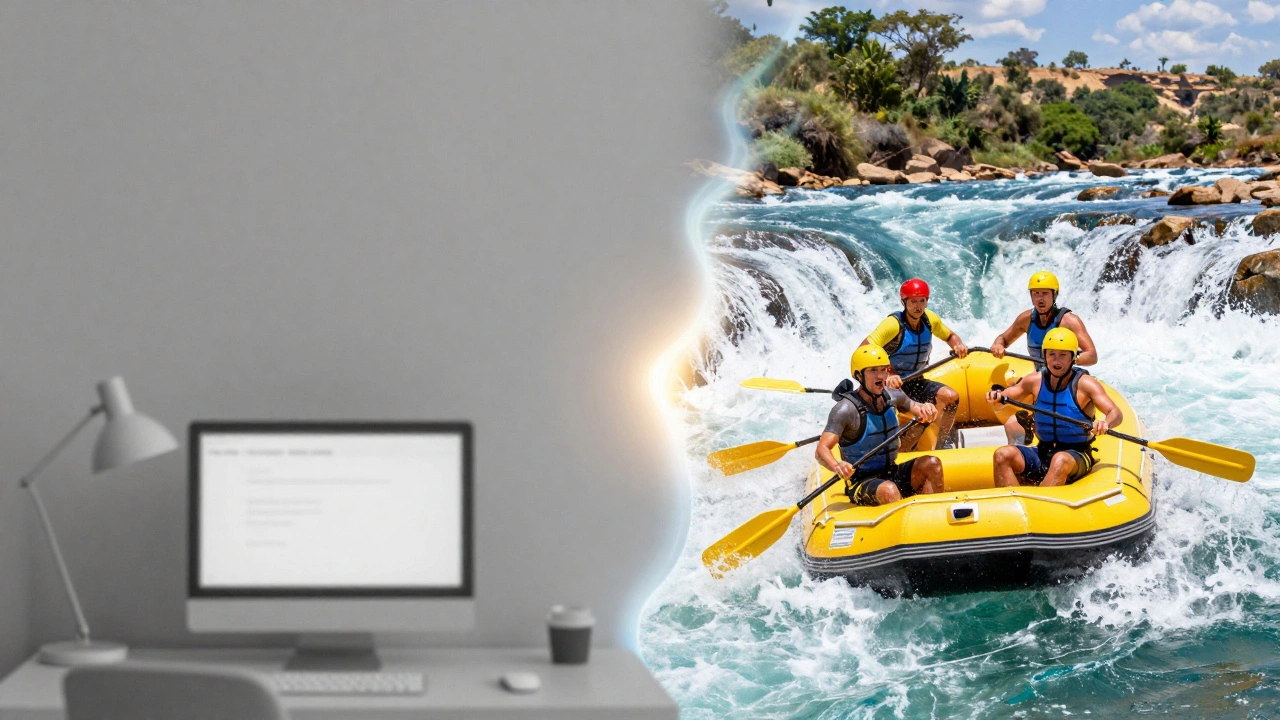
We are the most connected generation in history, yet many of us feel completely disconnected. Adventure travel acts as a forced digital detox. It's hard to scroll through social media when you're paddling a raft down the Zambezi River or camping under the stars in the Sahara Desert. The lack of signal isn't a nuisance; it's the point.
When you remove the digital noise, your senses sharpen. You start noticing the smell of the air after a rainstorm or the specific sound of a forest at night. This mindfulness isn't something you have to force through an app; it happens naturally when you're immersed in a wild environment. This 'presence' is a rare commodity in 2026, making these trips feel like a luxury, even if you're sleeping in a tent.
The Shift Toward Sustainable and Ethical Exploration
As more people head into the wild, there's a growing realization that we can't just 'consume' nature. This has led to the rise of Sustainable Tourism. Modern adventurers are no longer looking for the most 'Instagrammable' spot; they're looking for experiences that give back. This is why community-based tourism is taking off.
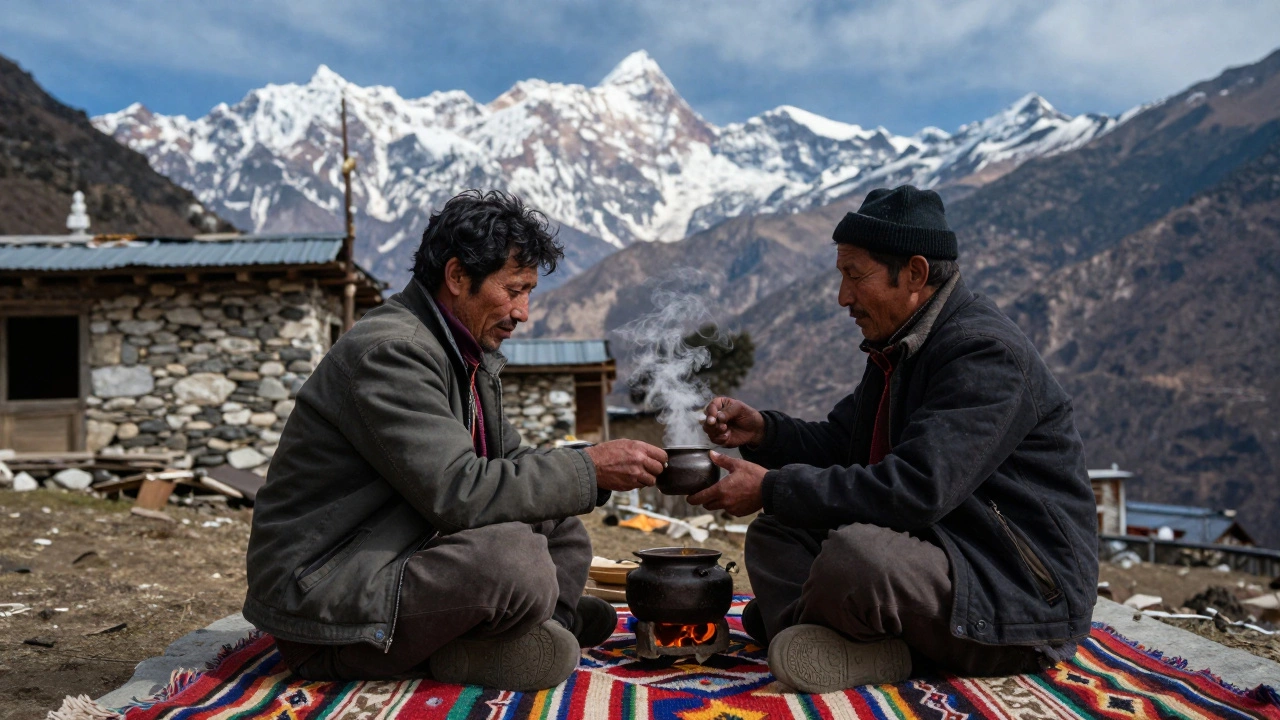
Instead of staying in a giant chain hotel, travelers are opting for homestays in rural villages or hiring local guides who have lived on the land for generations. This creates a semantic shift in how we view travel: it's no longer about 'seeing' a place, but about 'supporting' it. By choosing operators who prioritize Eco-tourism, travelers ensure that the wild places they love actually survive for the next generation.
Overcoming the 'Fear Factor'
You might be thinking, 'I'm not an athlete, I can't do this.' That's the biggest misconception about adventure holidays. The industry has evolved to create 'entry points.' You don't start with a 20-day trek; you start with a guided day-trip. The goal is to expand your comfort zone incrementally.
Consider the 'adventure ladder.' You might start with a guided nature walk, move up to a weekend of glamping, then try a multi-day hiking trip, and eventually find yourself booking a trip to see the Galápagos Islands. The availability of professional guides and better safety gear has made the 'danger' part of adventure travel mostly an illusion, leaving only the thrill.
The Social Currency of Experience
Let's be honest: there's a social element here. In the past, status was about what you owned-a fancy car or a big house. Today, status is about what you've done. Telling a colleague you spent your weekend at a spa is fine, but telling them you spent it trekking through the Himalayas is a conversation starter. It signals courage, curiosity, and an open mind.
This isn't just about bragging rights. Sharing these stories helps others realize that the world is smaller and more accessible than they think. When we see a friend conquer a fear of heights by zip-lining through a canopy in Costa Rica, it gives us a mental blueprint to do the same. Adventure is contagious.
Is adventure travel safe for beginners?
Yes, absolutely. The key is starting with 'soft adventure'-activities with low risk and professional guidance. Look for certified operators who provide all the necessary safety equipment and have a clear track record of experience. You don't need to be an expert to start; you just need a curious mindset.
How do I choose the right adventure trip for my fitness level?
Check the 'difficulty rating' provided by the tour operator. Most use a scale (e.g., 1 to 5) based on daily mileage, elevation gain, and technical skill. If you're unsure, start with a trip that offers 'tiered' options, where you can choose between a challenging route and a more relaxed one on the same itinerary.
What is the best time of year for adventure travel?
It depends entirely on the destination. For example, trekking in Nepal is best from March to May or September to November. For South American adventures, the southern hemisphere's spring and autumn (September-November and March-May) usually offer the best balance of weather and accessibility. Always check the 'shoulder season' to avoid crowds while keeping good weather.
Do I need special insurance for adventure holidays?
Standard travel insurance often excludes 'high-risk' activities like scuba diving, mountaineering, or white-water rafting. You should look for a policy with an 'Adventure Sports' add-on. Make sure the policy covers emergency medical evacuation, especially if you're heading to remote areas where the nearest hospital might be hours away by helicopter.
How can I ensure my adventure trip is environmentally friendly?
Follow the 'Leave No Trace' principles: pack out everything you pack in, stay on marked trails, and respect wildlife. More importantly, choose local guides and stay in locally-owned accommodations. This ensures your money stays in the community and encourages the preservation of the natural environment you're visiting.
What to do next
If you're feeling the itch to explore but don't know where to start, try the 'Micro-Adventure' approach. You don't need a plane ticket to start training your brain for adventure. Try a weekend camping trip in a nearby state or provincial park, or take a hiking trail you've never visited before. Once you get a taste of that feeling of discovery, the leap to a global expedition feels much smaller. Grab a map, pick a spot that looks slightly intimidating, and just go.
Menu