
Christmas Birthday Probability Calculator
How Rare Is a Christmas Birthday?
In North America, only about 1 in 1,300 people have a Christmas birthday. This calculator shows how many people in your community might share this special date.
Enter your population to see how many people might have a Christmas birthday.
Imagine being born on December 25. Not just any day - the day the whole world stops, lights up, and throws a party for someone else. For people with a Christmas birthday, it’s not just another birthday. It’s a clash of identities. One day, you’re the center of attention. The next, you’re part of the background noise.
It’s not that no one is born on Christmas. It’s that far fewer people are than you’d expect. In the U.S., Canada, and the UK, births on December 25 are among the lowest of the entire year. According to data from the CDC and Statistics Canada, December 25 sees about 30% fewer births than the average day. That’s not a fluke. It’s a pattern. And it’s not because people avoid sex on Christmas Eve. It’s because hospitals and doctors actively avoid scheduling births on that day.
Doctors Don’t Want to Work on Christmas
Most elective C-sections and induced labors are scheduled weeks in advance. Doctors plan their time off just like everyone else. If you’re a OB-GYN in Toronto, you’re not scheduling a C-section for December 25. You’re booking your flight to Mexico or your quiet night at home with family. Hospitals know this. So they push deliveries to December 24 or December 26. Even if a baby is due on Christmas, doctors will often wait until the 26th - unless there’s a medical emergency.
It’s not just doctors. Nurses, midwives, anesthesiologists - they all want time off. One hospital administrator in Ontario told a local news outlet in 2023 that they typically schedule zero elective procedures on Christmas Day. That means if you’re not going into labor naturally, your baby won’t be born on December 25. And even if you go into labor naturally, many hospitals reduce staffing. So if you’re in labor and your doctor isn’t there, they might delay intervention until after the holiday.
Parents Don’t Want to Celebrate Twice
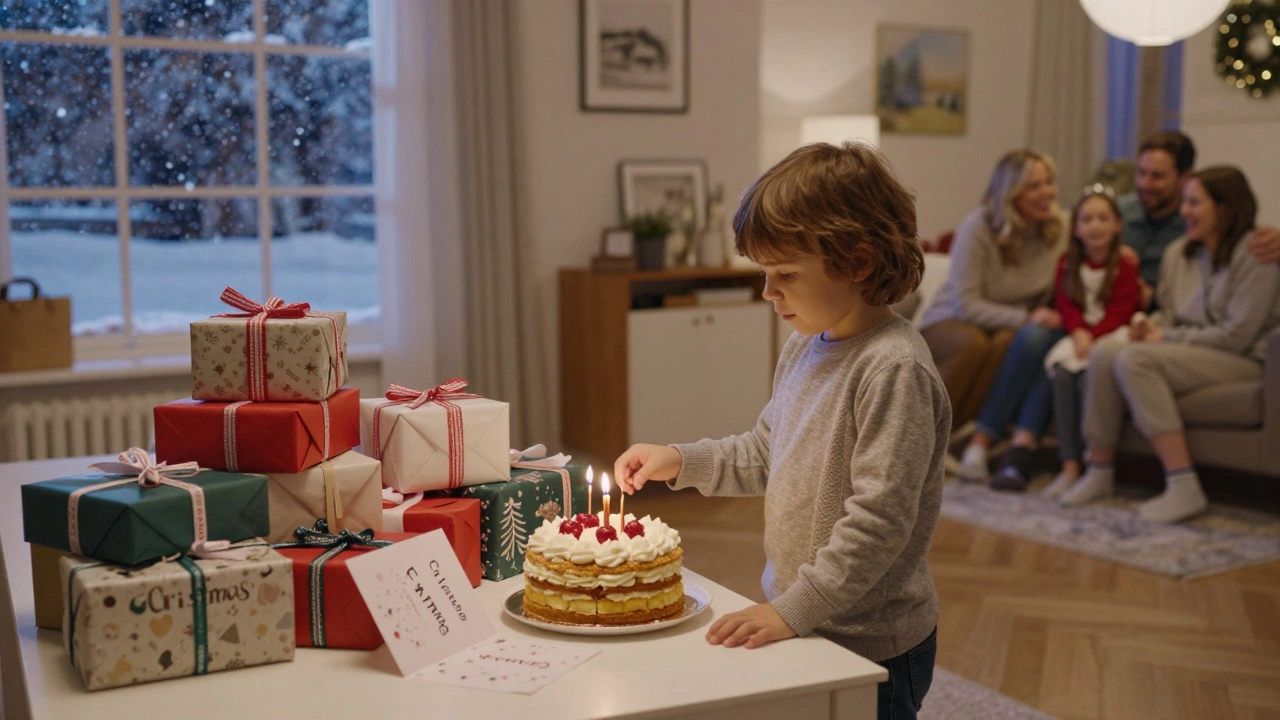
Let’s be real - raising a child with a Christmas birthday is tough. Imagine buying presents. You’re already buying for everyone else. Now you have to buy for the birthday kid too. And the cake? You’re already making a holiday cake. Do you really want to make two? Do you want to explain to your five-year-old why they can’t have a party with their friends because everyone’s busy with their own family?
Some parents even delay telling people their child’s real birthday. I know a family in Mississauga who told everyone their daughter was born on December 28. They didn’t want the constant "Oh, you’re a Christmas baby?" comments. It got exhausting. By the time the kid turned 10, they finally came clean - but only because she asked why her birthday card always said "Merry Christmas" instead of "Happy Birthday."
There’s also the gift dilemma. Christmas gifts and birthday gifts blur together. Kids often end up with one big pile of presents. They don’t know what’s for what. And when they open a toy on December 25 and say, "Thanks for my birthday present!" - it’s sweet, but it’s also heartbreaking. The birthday feels like an afterthought.
The Psychological Toll
People with Christmas birthdays often report feeling like their identity gets swallowed by the holiday. One woman in Vancouver, born on December 25, told a podcast interviewer: "I spent my whole childhood pretending I didn’t care about my birthday. I didn’t want to be the kid who ruined Christmas." She didn’t have a party until she was 18. Her parents waited until after New Year’s to take her out for ice cream.
Studies from the University of Toronto’s psychology department show that people with holiday birthdays are more likely to downplay their birth date. They’re less likely to post birthday photos on social media. They’re more likely to say "I don’t really celebrate it." It’s not that they don’t want to be celebrated - it’s that they don’t want to be a burden on a day everyone else is already overwhelmed.
It’s Not Just Christmas - Other Holidays Are Similar
December 25 isn’t the only holiday with a birth slump. December 24, January 1, and July 4 also show lower birth rates. But Christmas is the worst. Why? Because it’s the biggest. No other holiday shuts down the world the way Christmas does.
Compare that to Valentine’s Day or Halloween. Those days don’t stop hospitals. People still go to work. Births on February 14 or October 31 are normal. But Christmas? The entire healthcare system shifts. Emergency rooms stay open, but elective procedures? Cancelled. Schedules? Pushed back.
Even in countries where Christmas isn’t a public holiday - like Japan or South Korea - births on December 25 are still lower than average. Why? Because global healthcare systems follow similar patterns. Doctors take time off. Families plan ahead. The cultural weight of the day matters more than the calendar.
What About Natural Births?
Some people say, "But what about babies who come naturally?" Sure, some are born on Christmas. But even then, it’s rare. Why? Because most pregnancies are timed to avoid holidays. Women who know they’re due around Christmas often schedule inductions or C-sections for the week before. And if labor starts on the 24th, many hospitals wait until the 26th to deliver unless it’s urgent.
There’s also the timing of conception. Most babies born on December 25 would have been conceived around March 17. That’s not a peak conception time. March is a slow month for births nine months later. The real baby boom happens in late summer - babies born in late spring and early summer. That’s when couples are more likely to be together, relaxed, and not stressed about work or holidays.
It’s Not a Myth - It’s a System
Some people think the rarity of Christmas birthdays is just a myth. Maybe it’s because we don’t hear about them enough. But the data doesn’t lie. Birth records from the last 20 years show a clear dip on December 25. In Canada, the number of births on Christmas Day is consistently in the bottom 5% of all days. In the U.S., it’s the lowest of the year. In the UK, it’s the second-lowest - right after Boxing Day.
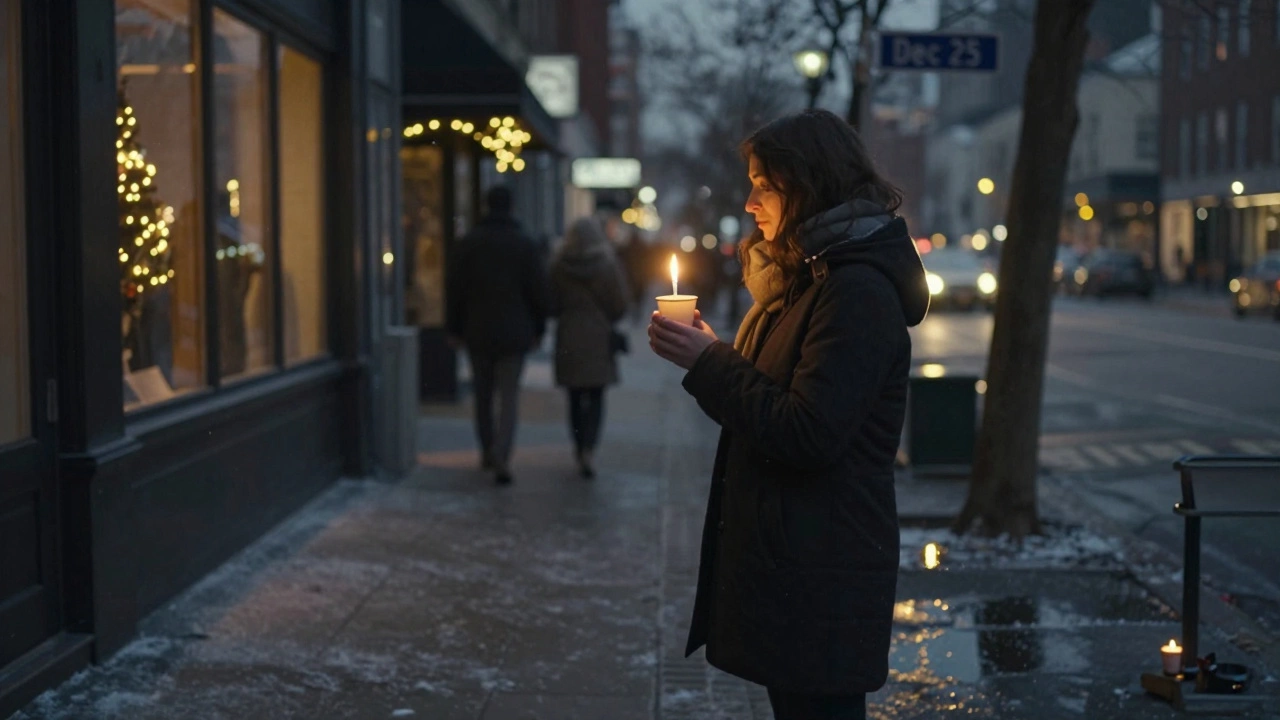
This isn’t about luck. It’s about human behavior. We schedule our lives around holidays. And when it comes to birth, we don’t want to add stress to the most stressful day of the year.
What If You Have a Christmas Birthday?
If you’re one of the lucky few born on December 25, you’re not alone - but you’re definitely rare. About 1 in 1,300 people in North America have a Christmas birthday. That’s fewer than people born on Leap Day.
Here’s what works:
- Move the party to the weekend before or after Christmas. Most families do this anyway.
- Combine the birthday with a "Holiday Celebration" - make it one big event. People will enjoy it more.
- Get a special gift that’s only for your birthday. A book, a piece of jewelry, a personalized item. Something that says, "This is for you, not for the holiday."
- Own it. If you’re born on Christmas, you’ve got a story. Don’t hide it. Say it proudly: "I’m one of the few people in the world born on Christmas Day."
There’s something beautiful about being born on the day the world pauses. You’re not just a person with a birthday. You’re part of a tiny, quiet club. And that’s not bad. It’s special.
Menu