If you're planning a trip to the UK but don't know where to begin, you're not alone. With so many options-from bustling cities to quiet coastal villages-it's easy to feel overwhelmed. The good news? You don’t need to fly overseas to find unforgettable scenery, rich history, or cozy pubs. A UK staycation can be just as rewarding as an international getaway, and often more convenient. The trick is knowing where to start based on what you really want out of your trip.
London: The Classic Starting Point
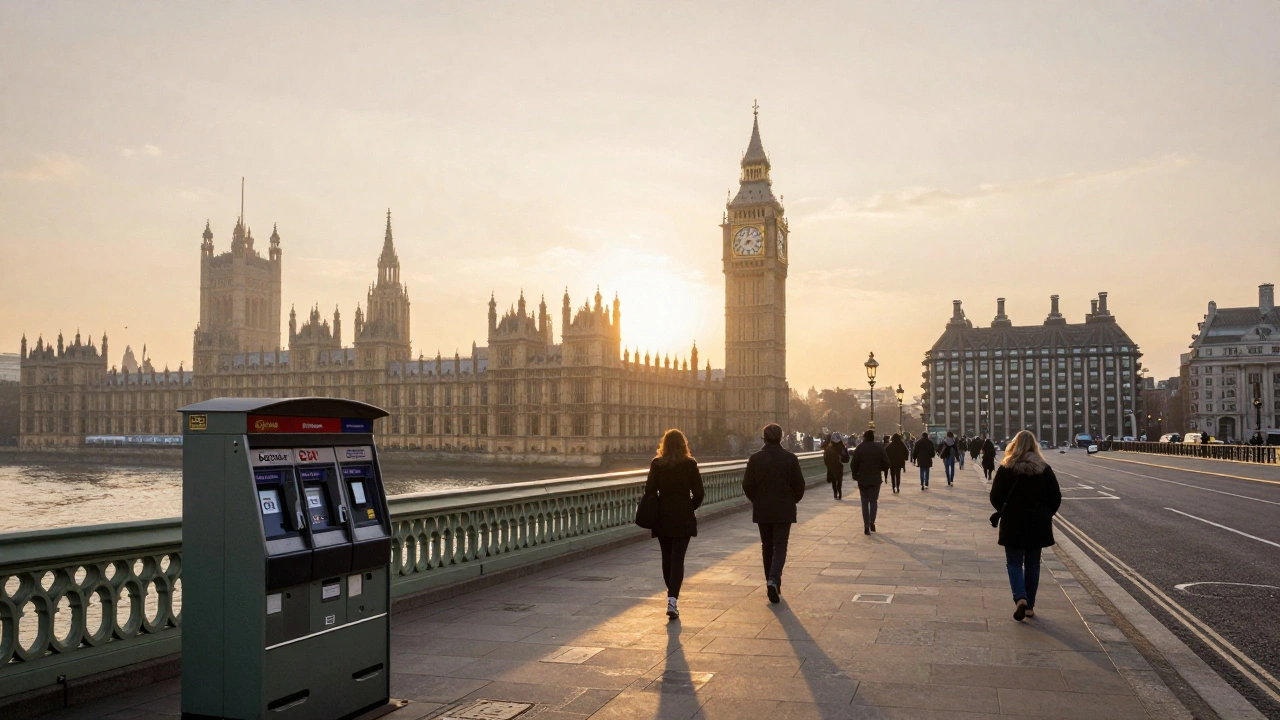
Most people think of London first, and for good reason. It’s the cultural heartbeat of the UK. You can walk from the Tower of London to Tower Bridge in under 20 minutes, catch a West End show, or sip coffee in a hidden alleyway café in Shoreditch. The city never sleeps, but it also never feels rushed. Public transport is seamless-just grab an Oyster card and hop on the Tube. If you’ve never seen Big Ben at sunrise or wandered through Camden Market at dusk, you haven’t really experienced London. It’s not just a city; it’s a full sensory experience.
But London isn’t for everyone. If you’re looking for peace, quiet, or nature, it might feel too loud. Still, it’s the most logical starting point if you’re new to the UK. You’ll get your bearings here, then branch out.
Edinburgh: History with a Side of Drama
If you want atmosphere, go north. Edinburgh is a city built on layers-medieval alleyways tucked under a 12th-century castle, Georgian squares, and the hauntingly beautiful Royal Mile. The city feels like stepping into a novel. Walk up Arthur’s Seat at dawn and watch the mist roll over the Firth of Forth. Visit the National Museum of Scotland for free, or explore the real-life inspiration for Harry Potter’s Hogwarts at the University of Edinburgh.
Edinburgh’s charm isn’t just in its landmarks. It’s in the way the locals talk about their city-with pride, not pretension. The city’s festivals (even outside August) bring a quiet energy that’s hard to find elsewhere. If you’re into literature, music, or just good food, this is your place.
York: A Step Back in Time
York is where England’s past comes alive. The city walls are the best-preserved in the country. Walk them, and you’ll see Roman foundations, Viking ruins, and medieval gates all in one loop. The Shambles, a narrow street with overhanging timber-framed buildings, looks like it’s from a fairy tale. But it’s real. You can still buy handmade chocolates, vintage books, and locally brewed ales here.
York Minster, one of the largest cathedrals in Northern Europe, has stained glass that glows like fire when the sun hits it. The Jorvik Viking Centre lets you ride through a recreated 10th-century street, complete with smells and sounds. It’s immersive. And unlike some historic towns, York doesn’t feel like a museum-it’s a living, breathing place with great pubs, independent shops, and a surprisingly strong coffee scene.
The Lake District: Nature’s Reset Button
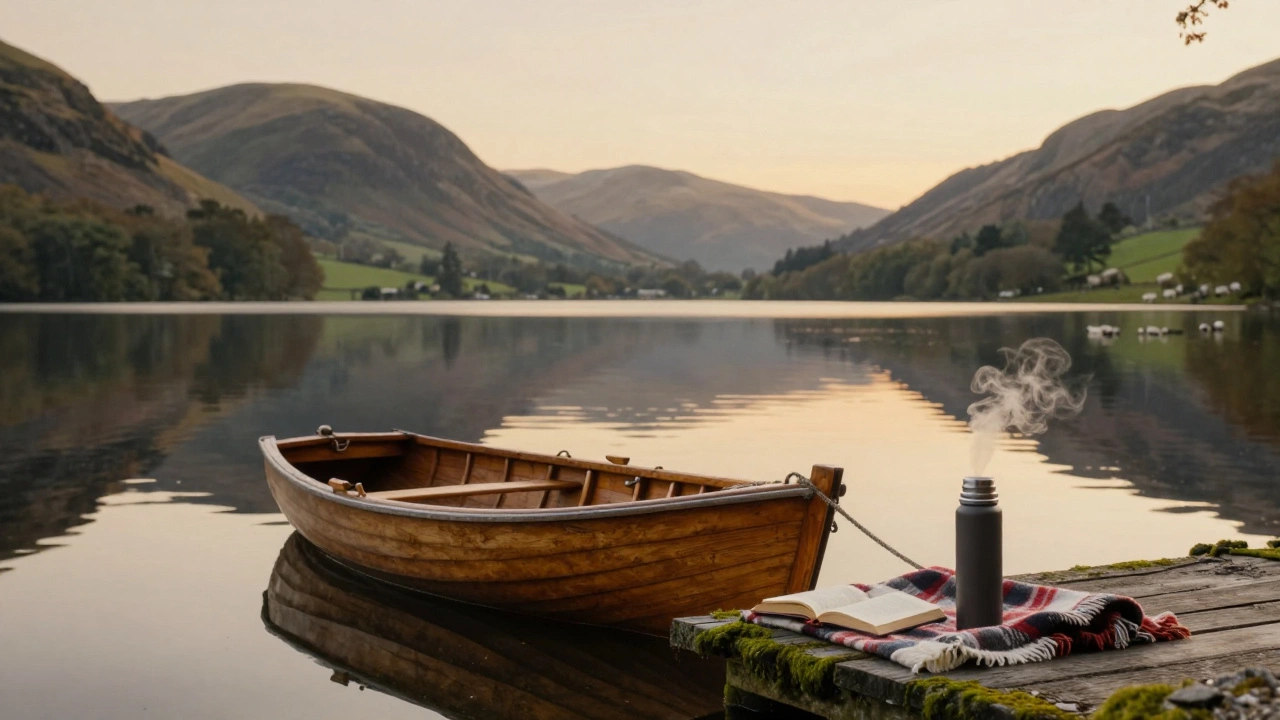
If your idea of a perfect trip is silence, mountains, and still water, head to the Lake District. This isn’t just a pretty landscape-it’s a place that changes how you feel. Windermere, Derwentwater, Ullswater-each lake has its own personality. Hike up Scafell Pike, the highest peak in England, or just sit by the shore with a thermos and a book.
There’s no rush here. The villages-Grasmere, Ambleside, Keswick-are small, warm, and welcoming. You’ll find local cheese shops, family-run B&Bs, and pubs that serve real ales and hearty stews. If you’ve been staring at screens all week, this is where you unplug. No Wi-Fi? Good. That’s the point.

North Wales: Mountains, Castles, and Coastlines
North Wales is underrated. Snowdonia National Park has peaks that rival the Alps, but without the crowds. Climb Mount Snowdon via the rack railway, or take the challenging Llanberis Path if you’re up for a challenge. The views from the summit? Worth every step.
Then there’s the coast. The Llŷn Peninsula has some of the clearest waters in the UK. Snorkel around the submerged forest off Porth Dinllaen, or just walk the coastal path from Caernarfon to Portmeirion. The latter is a surreal, pastel-colored village built like a Mediterranean dream-complete with fountains, mosaics, and a castle that looks like it belongs in a Picasso painting.
And don’t miss Caernarfon Castle. It’s not just big-it’s a UNESCO site built by Edward I to show off his power. The walls are 20 feet thick. You can walk right on top.
Devon and Cornwall: The Ultimate Coastal Escape
For beach lovers, the southwest is unbeatable. Cornwall’s beaches-like Newquay, St Ives, and the hidden coves of the Lizard Peninsula-have the kind of turquoise water you’d expect in the Mediterranean. The South West Coast Path, which runs from Minehead to Poole, is one of the best long-distance trails in the world. You don’t need to hike the whole thing. Just pick a stretch: the cliffs between Land’s End and St Ives are unforgettable.
Devon is quieter. Dartmoor offers wild moorland, ancient stone circles, and free-roaming ponies. The Tarka Trail, a former railway line turned walking and cycling path, winds through quiet villages and past waterfalls. And don’t leave without trying a proper cream tea. Scone first, then jam, then clotted cream. Always.
Bath: Elegance in Stone
If you love architecture and a slower pace, Bath is your match. The city’s Roman Baths are among the best-preserved ancient sites in Europe. You can even taste the mineral-rich water (it’s not as gross as it sounds). The Royal Crescent, a curved row of Georgian townhouses, looks like it was pulled from a Jane Austen novel. And it was.
Bath’s streets are paved with Bath stone, a honey-colored limestone that glows in the afternoon sun. The city feels like a film set, but it’s real. There are no big-box stores here. Just bookshops, apothecaries, and tea rooms that have been around since the 1800s. It’s peaceful. It’s elegant. And it’s perfect if you need a break from noise and chaos.
How to Choose: What Kind of Trip Are You After?
Start by asking yourself: What do I need right now?
- Want to see art, food, and nightlife? Go to London.
- Crave history and atmosphere? Head to Edinburgh or York.
- Need to escape, breathe, and disconnect? The Lake District or Dartmoor will reset you.
- Love beaches, cliffs, and ocean air? Devon and Cornwall are unmatched.
- Prefer castles and dramatic peaks? North Wales delivers.
- Looking for grace, charm, and quiet elegance? Bath is your spot.
There’s no wrong choice. But the right one? It’s the one that matches what you’re feeling, not what you think you should do.
Practical Tips for Your UK Staycation
- Book early. Even domestic travel gets busy. Popular towns like the Lake District or Cornwall fill up fast, especially on weekends.
- Use regional rail passes. The BritRail Pass isn’t just for tourists. UK residents can get discounted tickets on many routes.
- Try local food. Don’t just eat at chains. Look for pubs with “local produce” on the menu. You’ll taste the difference.
- Check the weather. The UK’s weather changes fast. Pack layers. A waterproof jacket is non-negotiable.
- Go off-season. April, October, and early November are quiet, cheap, and surprisingly beautiful. The crowds are gone, but the scenery isn’t.
Final Thought: Start Where You Feel It
You don’t need a grand plan. Sometimes, the best trip starts with a simple question: Where do I want to feel something? Not just see something. Feel it.
Maybe it’s the echo of your footsteps on York’s ancient walls. Or the wind in your hair as you stand on a Cornish cliff. Or the quiet of a Lake District morning, with no one else around.
The UK doesn’t ask for much. Just show up. The rest will follow.
What’s the best place to start a UK staycation if I’ve never been before?
If you’ve never been to the UK, start in London. It’s the easiest to navigate, has the most transport links, and gives you a full taste of British culture-history, food, art, and energy-all in one place. Once you’re comfortable, you can branch out to other regions.
Can I do a UK staycation on a budget?
Absolutely. Many UK destinations are free or low-cost. National parks like the Lake District and Dartmoor have no entrance fees. Museums in London, Edinburgh, and York are free to enter. Stay in B&Bs or self-catering cottages instead of hotels. Cook your own meals. Use trains and buses instead of renting a car. You can have a full week-long staycation for under £300.
Is it better to drive or take the train in the UK?
For cities and towns with good rail links, take the train. It’s cheaper, easier, and lets you relax. For remote areas like the Lake District, North Wales, or Dartmoor, driving gives you more freedom. But parking can be expensive and hard to find. Consider a mix: train to the region, then rent a car for day trips.
What’s the most underrated UK destination for a staycation?
North Wales. Most people skip it for Scotland or the Lake District, but Snowdonia has some of the most dramatic landscapes in the UK. The castles, coastlines, and hiking trails are world-class-and you’ll rarely see a crowd. Plus, the food and local ales are excellent.
When is the best time of year for a UK staycation?
April to June and September to October are ideal. The weather is mild, the crowds are thin, and prices are lower. Summer (July-August) is busy and expensive, especially in coastal areas. Winter can be beautiful too-if you like fog, cozy fires, and quiet streets.
Menu